Hearing is one of our most vital senses. It connects us to conversations, music, warning signals,
and the subtle sounds that shape our daily experiences. Yet millions of people worldwide
experience some degree of hearing loss, often without realizing how significantly it affects their
quality of life. This is where a hearing specialist plays a critical role.
A hearing specialist is a trained professional dedicated to diagnosing, managing, and treating
hearing-related issues. Whether someone is experiencing mild hearing difficulty or profound
hearing impairment, seeking the support of a hearing specialist can be life-changing. Early
diagnosis and appropriate intervention can prevent communication breakdown, social isolation,
and even cognitive decline.
In this article, we explore what a hearing specialist does, the types of hearing specialists,
common hearing problems they treat, and why consulting one is essential for long-term health
and well-being.
Who Is a Hearing Specialist?
A hearing specialist is a healthcare professional trained to assess, diagnose, and treat hearing and
balance disorders. Their primary goal is to improve a patient’s hearing ability and overall
communication function. Hearing specialists work with patients of all ages — from newborns to
seniors — and provide customized solutions based on individual needs.
There are different types of hearing specialists, including:
Audiologists
Hearing instrument specialists
Otolaryngologists (ENT doctors)
Each plays a unique role in hearing healthcare, though audiologists are most commonly referred
to as hearing specialists in clinical settings.
Types of Hearing Specialists
Audiology Professionals (Audiologists)
Audiology focuses on hearing and balance disorders. Audiologists hold advanced degrees and
are licensed to perform comprehensive hearing evaluations. They:
Conduct diagnostic hearing tests
Diagnose hearing loss severity and type
Program and fit hearing aids
Provide tinnitus management
Offer auditory rehabilitation
Audiologists use specialized equipment such as audiometers and tympanometers to evaluate
hearing thresholds and middle ear function.
Hearing Instrument Specialists
Hearing instrument specialists focus primarily on hearing aid fitting and maintenance. While
their training is different from audiologists, they are skilled in:
Conducting basic hearing screenings
Recommending appropriate hearing devices
Custom fitting and adjusting hearing aids
Providing ongoing device support
They play an important role in helping patients adapt to amplification devices.
Otolaryngology Doctors (ENT Specialists)
Otolaryngology specialists, also known as ENT doctors, treat medical and surgical conditions
affecting the ear, nose, and throat. When hearing loss is caused by infection, structural
abnormalities, or tumors, an ENT physician may be involved in treatment.
ENTs may recommend medical interventions, surgery, or refer patients back to audiologists for
hearing rehabilitation.
Common Conditions Treated by a Hearing Specialist
Hearing specialists address a wide spectrum of auditory conditions. Some of the most common
include:
Sensorineural Hearing Loss
This type of hearing loss occurs due to damage to the inner ear or auditory nerve. It is often
caused by aging (presbycusis), noise exposure, or genetics. A hearing specialist evaluates the
severity and recommends hearing aids or other assistive devices.
Conductive Hearing Loss
Conductive hearing loss results from blockages or damage in the outer or middle ear. Causes
may include earwax buildup, fluid, infections, or perforated eardrum. Treatment may involve
medication, minor procedures, or referral to an ENT.
Tinnitus
Tinnitus is the perception of ringing, buzzing, or hissing sounds in the ears without external
sound. A hearing specialist assesses the condition and may offer sound therapy, hearing aids, or
counseling strategies to reduce distress.
Balance Disorders
Since the inner ear controls balance, hearing specialists often evaluate dizziness and vertigo.
Specialized tests help identify vestibular dysfunction and guide appropriate treatment.
Pediatric Hearing Issues
Early detection of hearing problems in children is essential for speech and language
development. Hearing specialists conduct newborn screenings and pediatric evaluations to
ensure proper auditory development.
Diagnostic Tests Performed by a Hearing Specialist
A professional hearing evaluation is thorough and painless. Common tests include:
Pure-tone audiometry – Determines the softest sounds a person can hear at different
frequencies.
Speech audiometry – Assesses speech recognition ability.
Tympanometry – Evaluates middle ear function.
Otoacoustic emissions (OAE) – Tests inner ear hair cell function.
Auditory brainstem response (ABR) – Measures neural response to sound.
These diagnostic tools help the hearing specialist develop a precise treatment plan tailored to the
patient’s needs.
Hearing Aids and Assistive Technology
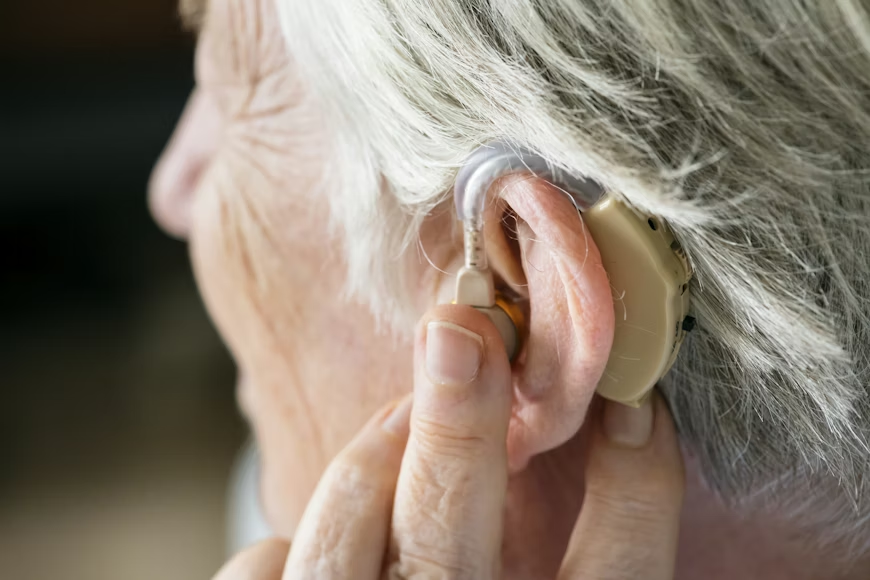
One of the primary roles of a hearing specialist is recommending and fitting hearing aids.
Modern hearing aids are sophisticated digital devices capable of adapting to various listening
environments.
There are several types of hearing aids:
Behind-the-ear (BTE)
In-the-ear (ITE)
Receiver-in-canal (RIC)
Completely-in-canal (CIC)
A hearing specialist considers lifestyle, degree of hearing loss, dexterity, and cosmetic
preference before recommending a device. Proper programming and follow-up adjustments are
crucial for optimal performance.
Additionally, assistive listening devices such as FM systems, amplified telephones, and TV
streamers can further improve communication in specific environments.
Why Early Consultation Matters
Hearing loss often develops gradually. Many individuals delay seeking help, believing the
problem is minor. However, untreated hearing loss can lead to:
Communication difficulties
Social withdrawal
Depression and anxiety
Increased risk of cognitive decline
Reduced workplace performance
Research has shown a correlation between untreated hearing loss and dementia risk. Consulting a
hearing specialist at the earliest signs of difficulty can preserve cognitive function and social
engagement.
Common early signs include:
Frequently asking others to repeat themselves
Difficulty understanding speech in noisy environments
Increasing TV or phone volume
Ringing in the ears
Routine hearing evaluations, especially for individuals over 50 or those exposed to loud
environments, are strongly recommended.
The Process of Visiting a Hearing Specialist
If you schedule an appointment with a hearing specialist, here is what you can expect:
- Medical History Review – Discussion of symptoms, noise exposure, medications, and
overall health. - Physical Ear Examination – Inspection of ear canal and eardrum.
- Comprehensive Hearing Tests – Diagnostic audiological assessment.
- Discussion of Results – Explanation of hearing profile using an audiogram.
- Treatment Plan – Personalized recommendations based on findings.
The process is non-invasive and typically completed within an hour.
Hearing Specialist vs. Self-Diagnosis
With the availability of online hearing tests and over-the-counter devices, some individuals
attempt self-diagnosis. While basic screening tools can provide preliminary insight, they cannot
replace professional evaluation.
A hearing specialist performs calibrated, clinically validated tests and considers medical factors
that online tools cannot assess. Additionally, improper device fitting may worsen hearing
discomfort or lead to suboptimal outcomes.
Professional care ensures accurate diagnosis and long-term hearing management.
Choosing the Right Hearing Specialist
When selecting a hearing specialist, consider the following factors:
Credentials and licensing
Years of experience
Patient reviews and testimonials
Follow-up care and device support
Establishing a long-term relationship with a trusted hearing specialist ensures continuous
monitoring and timely adjustments as hearing needs change.
Preventive Care and Hearing Protection
Prevention is equally important in hearing healthcare. A hearing specialist can provide guidance
on:
Custom ear protection for musicians and industrial workers
Safe listening practices for headphone users
Noise exposure risk assessment
Annual hearing check-ups
Protecting hearing today reduces the likelihood of severe hearing impairment in the future.
The Emotional and Social Impact of Better Hearing
Improved hearing goes beyond sound perception. It restores confidence, strengthens
relationships, and enhances participation in social activities. Many patients report significant
improvement in their quality of life after receiving professional help from a hearing specialist.
Clear communication reduces misunderstandings and strengthens personal and professional
interactions. Whether enjoying family gatherings, business meetings, or cultural events, effective
hearing contributes to overall life satisfaction.
Conclusion
A hearing specialist is a vital healthcare professional dedicated to diagnosing, treating, and
managing hearing and balance disorders. From early detection of hearing loss to advanced
hearing aid technology and long-term auditory rehabilitation, their role is essential in preserving
communication and quality of life.
Hearing health should never be overlooked. If you or a loved one notices signs of hearing
difficulty, scheduling an appointment with a qualified hearing specialist is the first step toward
clearer sound and improved well-being.
Investing in professional hearing care today can lead to a lifetime of better communication,
stronger relationships, and enhanced cognitive health.